
Content
- Why accumulated depreciation is not a debit but a credit
- Why Accumulated Depreciation is a Credit Balance
- Accumulated Depreciation Explained
- Is Accumulated Depreciation Considered an Asset?
- Accumulated Depreciation Journal Entry
- How is accumulated depreciation shown in trial balance?
- AccountingTools
This type of depreciation is a non-cash charge against the asset that is expensed on the income statement. Finally, accumulated depreciation is vital for calculating the taxable gain on a sale. For example, any gain that is attributable to the depreciation taken during the asset’s life may be taxed at the higher ordinary tax rate in comparison to the standard capital rate. Salvage value is essential to understand when discussing accumulated depreciation.
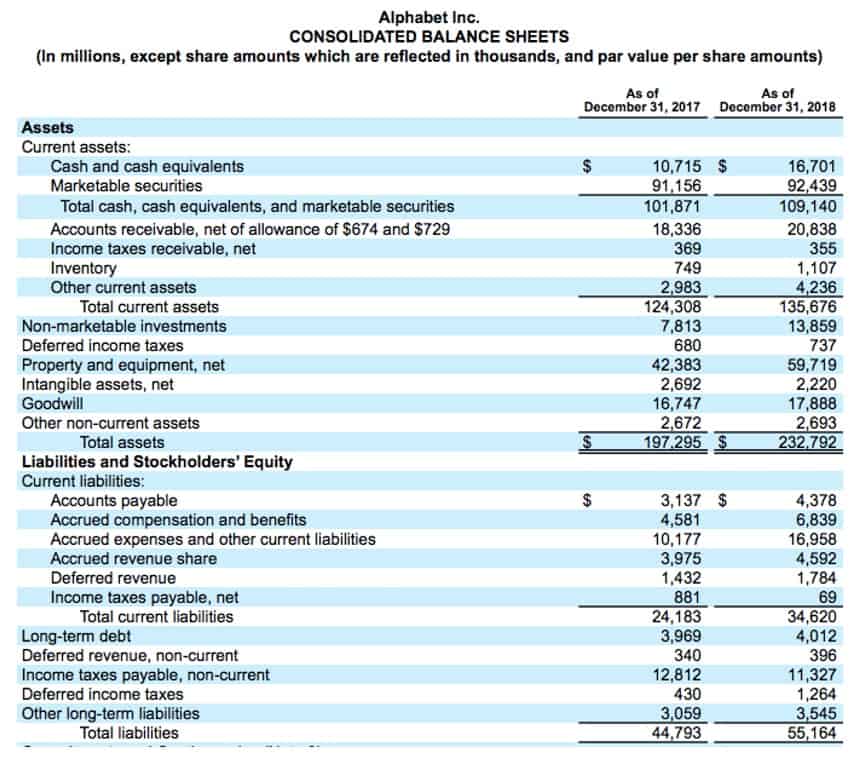
If you’re looking at Accumulated Depreciation in the balance sheet, a negative figure is normal since it is a contra-asset account. However, a negative Depreciation Expense on the P&L requires https://www.bookstime.com/ further investigation and, if needed, correction. If your financial statements look wonky, there could be something wrong with how you use the tool or with the software itself.
Why accumulated depreciation is not a debit but a credit
Accumulated Depreciation appears under the Asset section of the Balance Sheet with a negative figure because it has a credit balance. Unlike typical asset accounts such as Cash, Accounts Receivable, or Inventory with a normal debit balance, Accumulated Depreciation has a normal credit balance – that’s also why it’s called a contra asset. Accumulated depreciation is the total amount of depreciation expense allocated to each capital asset since the time that asset was put into use by a business. In essence, it’s the total amount of depreciation of an asset up to the point in that asset’s life. For each accounting period, an asset’s depreciation is added to the beginning accumulated depreciation balance.
Is accumulated depreciation debit or credit?
Accumulated depreciation is a contra asset and as a result, will have a credit balance since assets have a natural debit balance. Contra accounts are reported on the same financial statement as the associated account and are used in a general ledger to reduce the value of the related account when netted together. The natural balance of a contra account is always the opposite of the associated account. This means that since fixed asset has a natural debit balance, accumulated depreciation as the contra account would have a credit balance.
Depreciation is an accounting method that spreads out the cost of an asset over its useful life. In other words, depreciation spreads out the cost of an asset over the years, allocating how much of the asset that has been used up in a year, until the asset is obsolete or no longer in use. Without depreciation, a company would incur the entire cost of an asset in the year of the purchase, which could negatively impact profitability.
Why Accumulated Depreciation is a Credit Balance
In this case, you would debit Accumulated Depreciation for $10,000 and Credit Equipment for $10,000 the same as you would for an asset with no value. You would also need to debit the Cash account for $500 and credit the Gain on Asset Disposal account for $500.What if you sell the asset before it is fully depreciated? To record the journal entry, you would debit Accumulated Depreciation for $6,000, debit Cash for $4,000, and credit Equipment for $10,000. Accumulated depreciation is simply the total amount of an asset’s cost that has been depreciated since the asset was purchased. In other words, it is the total amount of an asset’s cost that has been charged as an expense since the asset was purchased. A fixed asset refers to a piece of property owned by a business that used in the production of income, and is not expected to be converted into cash for at least a year.
What is accumulated depreciation?
Accumulated depreciation is the total decrease in the value of an asset on the balance sheet over time. It is the total amount of an asset’s cost that has been allocated as depreciation expense since the time that the asset was put into use. It is reported on the balance sheet as a contra asset that reduces the book value of an asset. Accumulated depreciation is said to be a contra asset account because it has a negative balance that is intended to offset the asset account with which it is paired, which results in a net book value.
Accumulated depreciation totals depreciation expense since the asset has been in use. The balance sheet can also tell you things like the length of your accounts receivable or inventory turnover cycle (i.e. the number of times they turn over over each year). This means the carrying value of your asset will now be $9,000 (the purchase price of $10,000 which is listed as an asset, minus the accumulated depreciation of $1,000). The accumulated depreciation tax methods allowed by the IRS are different than the accounting methods for accumulated depreciation. When filing, make sure you are following the regulations and directions set forth by the IRS. The amount of accumulated depreciation affects the valuation of the business since it constantly changes on the balance sheet. Accumulated depreciation is the total amount of depreciation assigned to a fixed asset over its useful life.